
Which fruit is good for wound healing? Introducing the best fruit for quick wound healing
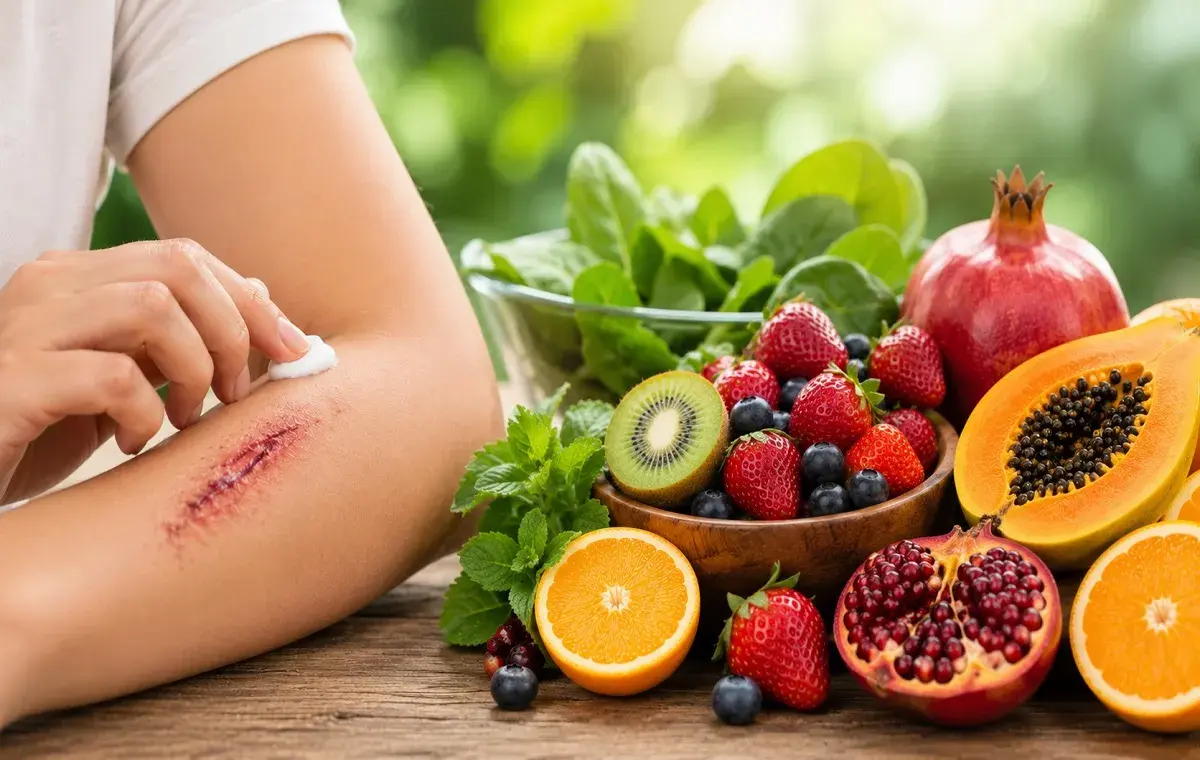
Kiwi
It is interesting to know that kiwi has much more vitamin C than oranges for its weight! In addition, kiwi contains significant amounts of vitamin K and vitamin E. Vitamin K is essential for blood clotting in the early stages of a wound, and vitamin E helps reduce scars and soften newly formed skin. You can combine kiwi as a delicious snack or in a healthy smoothie with green leafy vegetables to deliver a vitamin bomb to your body. If you have allergies, avoid this fruit and choose alternative fruits.
Pineapple
Pineapple is a true miracle and an unparalleled wound healer. The reason for this is the presence of a powerful enzyme called “bromelain” in pineapple. Bromelain has excellent anti-inflammatory properties and is recommended for reducing swelling, bruising and pain at the wound site, especially after surgery. Try to use fresh pineapple, as the heat used in canning and preserving destroys many of these beneficial enzymes. Just be aware that pineapple may interact with some blood thinners. Excessive consumption can also cause sensitivity in the mouth and tongue.
Strawberries and Berries
Strawberries, blueberries, raspberries, and blackberries are rich in powerful antioxidants called anthocyanins. In addition to giving these fruits their beautiful color, these compounds reduce systemic inflammation in the body and speed up the process of rebuilding damaged tissue by protecting new cells from free radicals. A bowl of this combination of fruits with Greek yogurt can be a complete snack, containing protein and vitamins to repair torn tissues.
Pomegranate
Pomegranate contains compounds such as punicalagin, which have anti-inflammatory and antioxidant properties that are several times higher than green tea. This fruit helps improve blood flow and delivers oxygen and nutrients to the injury site faster. Consuming fresh pomegranate seeds or a glass of natural pomegranate juice (without salt or sugar) throughout the day is the best thing to do, but if you have digestive problems such as constipation, be careful with pomegranate seeds and use more of their juice.
Avocado
Avocado is rich in healthy fats (omega-3 and omega-6 fatty acids) and vitamin E. These beneficial fats are essential for building new cell membranes, and the vitamin E in avocado also strongly prevents the formation of excess flesh (keloids) and scars. Avocado is high in calories, so if you are recovering and have little mobility, be moderate in its consumption to avoid unwanted weight gain.









Write your comment